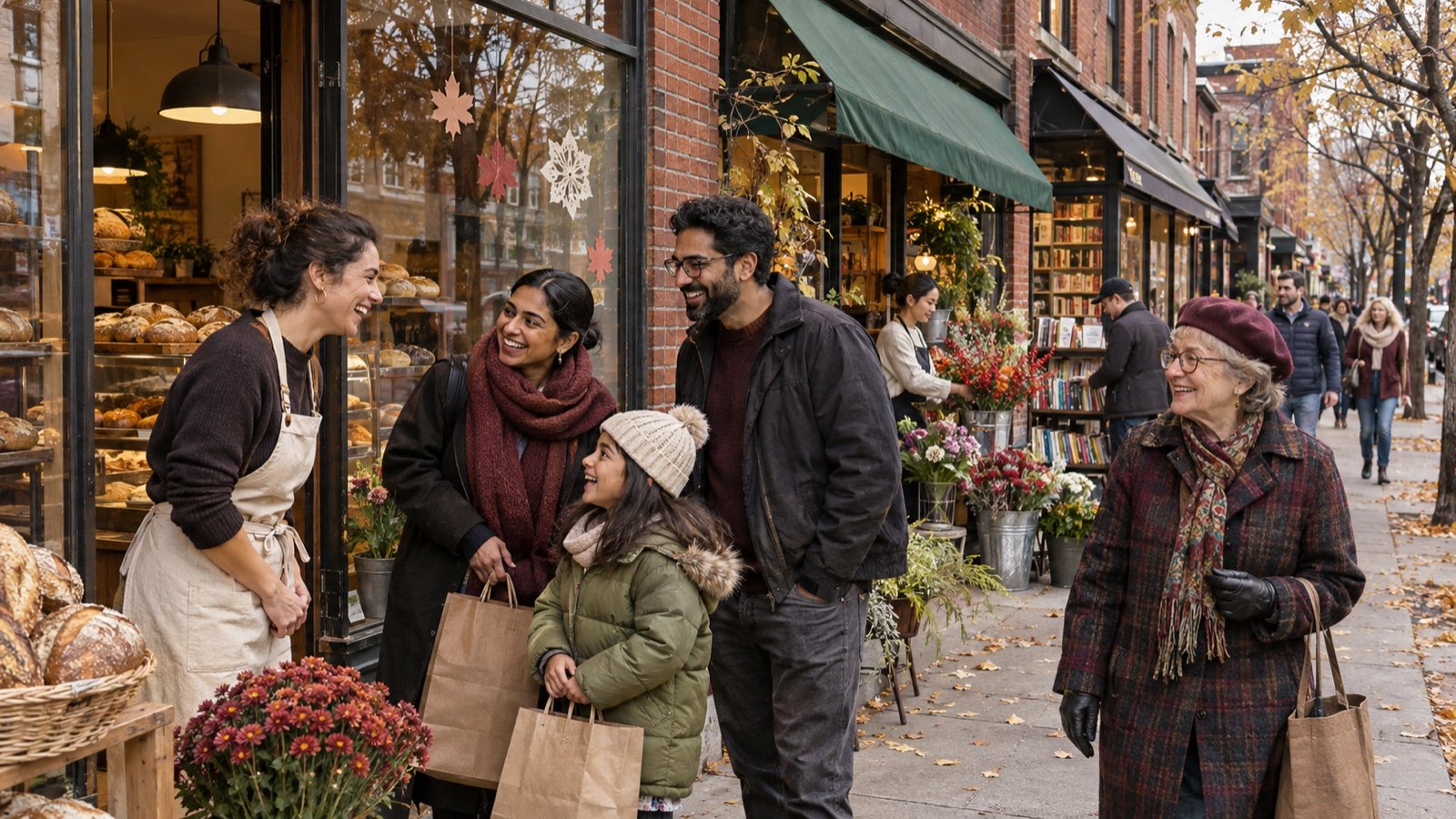
Small Business Saturday falls on 28 November 2026 in the United States and Canada. The UK campaign follows on 5 December 2026. American Express research released on 12 November reports strong stated intent to shop small in the US, while business owners are adopting new holiday strategies and AI tools to compete for attention.
A busy Saturday is useful only when the business can fulfil the promise and keep the customer. This 13-day plan begins on 15 November and covers offer design, local discovery, partnerships, content, staffing, stock and retention. Businesses in India and other markets can adapt the operating model to a local shopping weekend, but should not present themselves as part of an official country campaign where none exists.
1. Confirm the date and campaign rights
Use 28 November for the official 2026 US and Canada events and 5 December for the UK campaign. Check the official programme before using protected names, logos or downloadable assets. Businesses elsewhere can run a shop-local weekend using their own branding and community message without suggesting endorsement or official participation.
2. Set one measurable commercial goal
Choose a primary goal such as first-time customers, profitable store visits, bookings, gift-card sales or email sign-ups with consent. Add guardrails for margin, capacity and service quality. A campaign that produces a queue but late deliveries, stock-outs or poor reviews may damage more value than it creates.
3. Build an offer that protects margin
Avoid copying large-retailer discount depth. Bundle complementary items, add a limited service, create a gift-with-purchase threshold or reward a future visit. Calculate product cost, labour, payment fees, packaging and likely redemption before publishing. State exclusions, availability and end time clearly.
4. Make the business easy to discover locally
Update opening hours, address, phone, booking links, product or service highlights and recent photographs on relevant map and directory profiles. Check that the website repeats the same facts. Search the business name and category from a mobile device to identify broken links, outdated hours or confusing locations before paid promotion begins.
5. Create one event landing page
Publish a fast page explaining the date, location, hours, offer, stock limits, accessibility, parking or delivery options and contact method. Add useful product or service examples instead of a generic “coming soon” message. For multiple locations, give each outlet accurate local information and show which offers are shared or location-specific.
6. Partner with neighbouring businesses
Create a simple walking map, shared gift guide, receipt-swap benefit or complementary bundle with nearby independent businesses. Choose partners that serve a related audience without creating operational confusion. Agree on the message, dates, referral method and customer-data boundaries in writing, even for a friendly local collaboration.
7. Segment the customer message
Past customers, nearby prospects, gift shoppers and business buyers need different reasons to respond. Send returning customers a genuine thank-you and useful preview. Show new customers what makes the business distinctive. Give gift buyers clear budgets and deadlines. Do not blast every contact with identical urgency.
8. Use a 13-day publishing calendar
Days 13–10: announce participation and the customer benefit. Days 9–7: introduce the people, craft or local story. Days 6–4: show products, services, availability and practical visit information. Days 3–1: answer objections, confirm stock and share reminders. Event day: publish real availability and customer moments only with permission.
- Create one useful email, three short videos and several simple story updates.
- Reuse facts across channels while changing the format, not the promise.
- Show real products, staff and premises rather than generic festive graphics.
- Remove or update posts immediately when an item sells out.
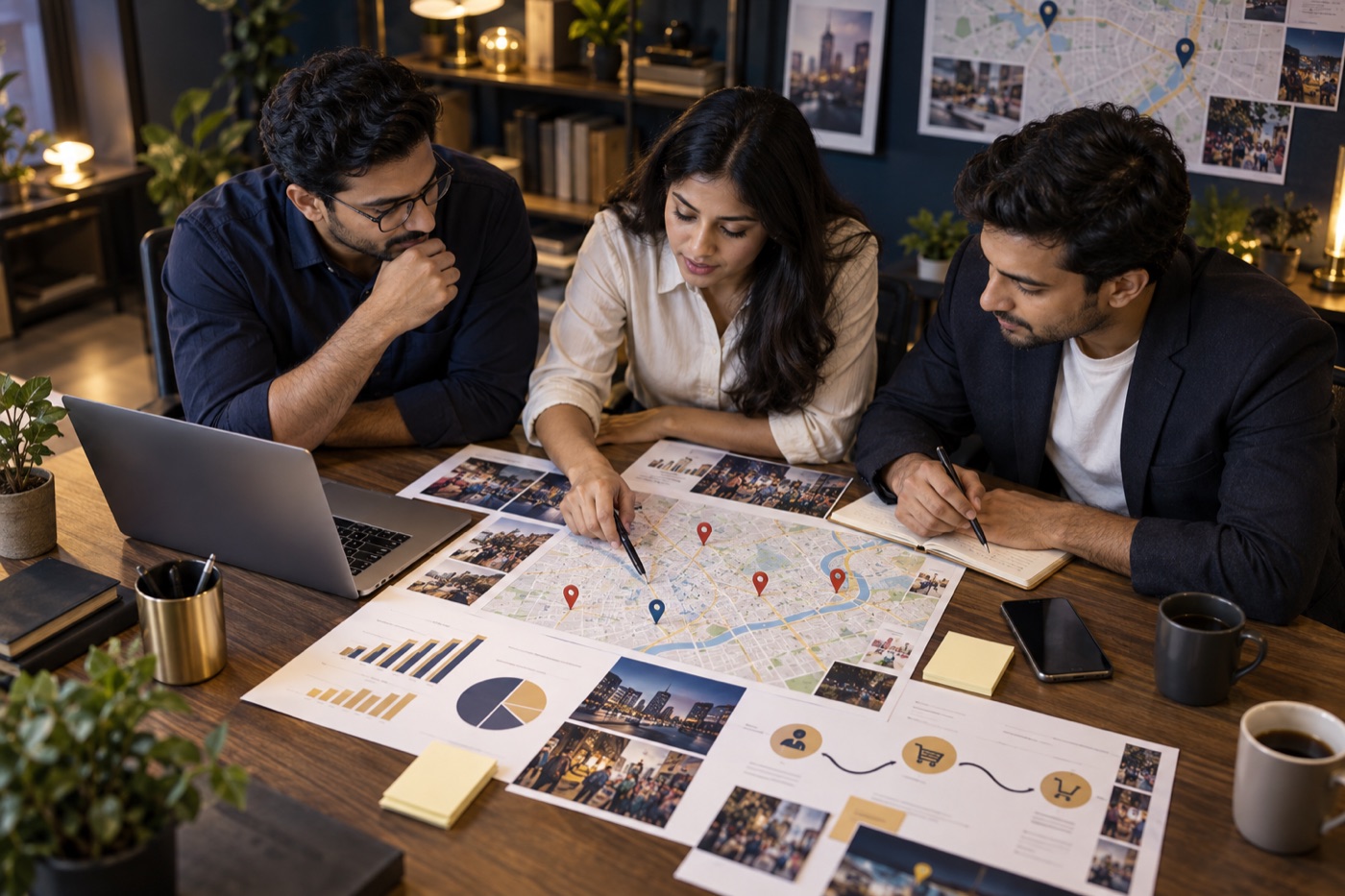
9. Prepare paid media conservatively
Use tight geography, realistic dates and a landing page that matches the advertisement. Retarget engaged visitors only where lawful and appropriate. Reserve part of the budget for the final days, but do not raise spend beyond fulfilment capacity. Measure store visits, bookings or sales using a practical method rather than clicks alone.
10. Organise stock, staffing and service
Forecast likely demand by item or service, confirm reorder deadlines and define substitutes before launch. Schedule enough staff for sales, fulfilment and customer questions. Create a visible sold-out process and a waiting-list option where appropriate. A calm, honest service experience is a stronger retention tool than artificial scarcity.
11. Capture consent and a reason to return
Offer optional email or messaging updates with a clear explanation of what the customer will receive. A future-use voucher, care guide, workshop invitation or loyalty benefit can encourage a second visit. Do not make marketing consent a hidden condition of the promotion or purchase lists gathered by other businesses.
12. Adapt the idea for India and other markets
The community-commerce model travels better than the trademarked event name. Indian market associations, neighbourhood retailers, service clusters and franchisees can choose a locally relevant weekend around regional demand. Use local language, payment preferences, delivery realities and cultural occasions. State clearly who organises the event and which outlets participate.
13. Give franchise locations a shared kit
Provide approved offer rules, editable local creative, photography guidance, tracking fields and an escalation contact. Let outlets publish real hours, stock and community partnerships within the brand framework. Central teams should not advertise nationwide availability when only selected franchisees can fulfil the promotion.
14. Measure the event and the next 30 days
Record revenue, gross contribution, first-time customers, average order value, stock-outs, cancellations, sign-ups, second visits and review themes. Compare against a normal Saturday and relevant seasonal periods. Continue tracking repeat purchase or booking for 30 days, because the long-term value of a new local customer may matter more than event-day revenue.
15. Follow up without exhausting customers
Thank customers within two days, share any fulfilment updates and invite honest feedback after the experience. Send the promised retention benefit at the stated time. Avoid extending a “one-day” deal repeatedly or sending daily messages after the event. Close the campaign with accurate reporting and document what should change next year.
Key takeaways
Put the framework into action
- Small Business Saturday is 28 November 2026 in the US and Canada, while the UK event is 5 December 2026.
- A profitable offer, accurate local discovery and reliable fulfilment matter more than copying large-retailer discounts.
- Track repeat visits and contribution after the event so seasonal attention becomes durable local growth.
Research sources
Sources & further reading
This article provides general business education, not legal, tax or financial advice. Adapt the framework to your market and consult qualified professionals where required.