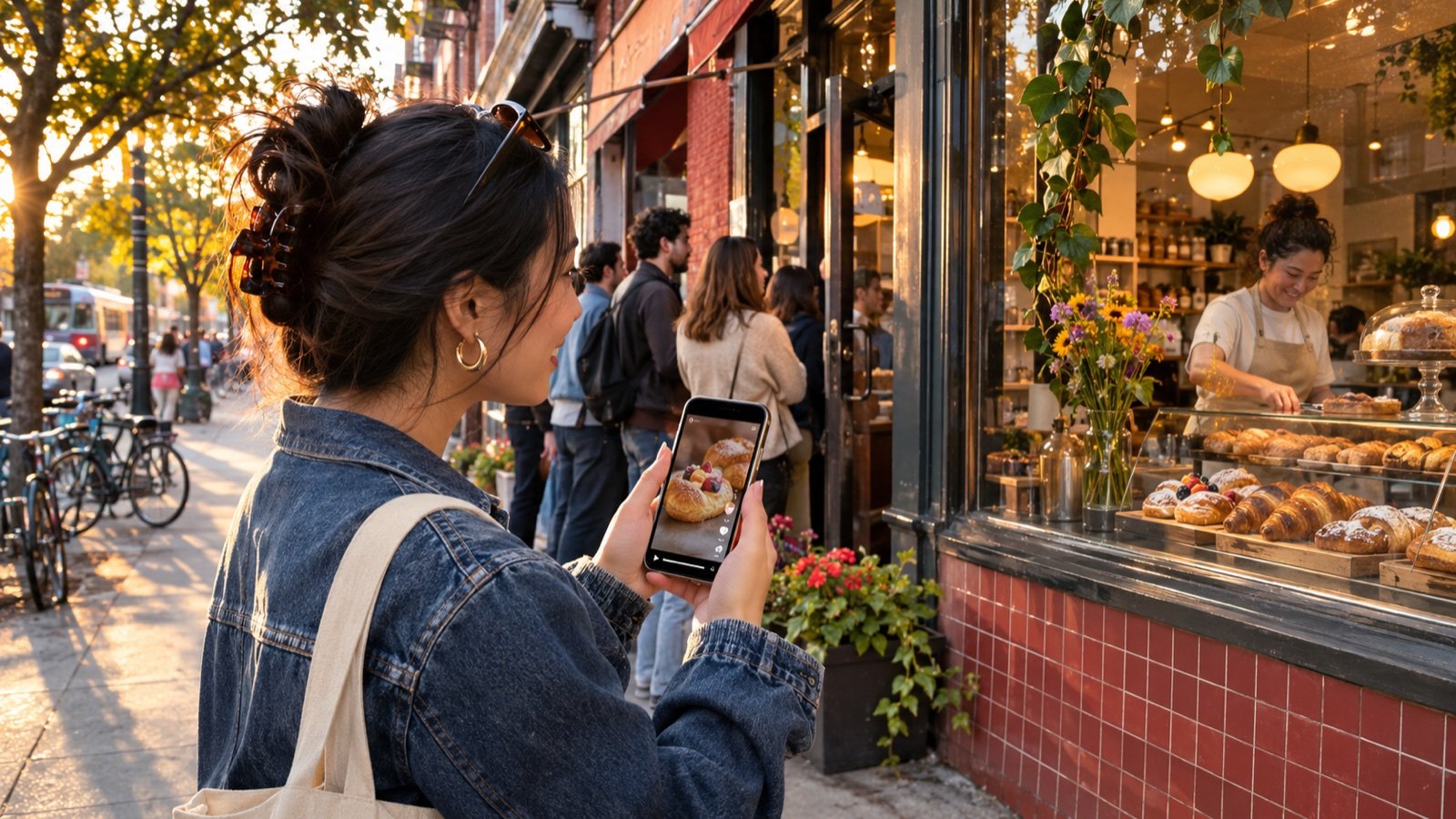
TikTok is increasingly used as a discovery and search environment rather than only an entertainment feed. TikTok reported that searches for “small business” increased sharply in the first quarter of 2026 and that many users take follow-up actions after discovering a new brand. Its Search Ads Campaign now supports keyword-led discovery in selected markets, while Automatic Search Placement extends eligible in-feed campaigns into search results more broadly.
For a bakery, salon, clinic, restaurant, education centre or franchise network, the opportunity is not to chase every viral sound. It is to answer local buying questions with credible video, make the location easy to verify and connect the visit to an accountable outcome. Product availability and advertising eligibility vary by country, so confirm the current TikTok Ads Manager documentation before planning paid activity.
1. Define the search-to-store journey
Map discovery video, TikTok search, profile visit, website or map action, call, message, booking and physical arrival. Include the decision questions between each step: price, distance, availability, trust, timing and suitability. The goal is not maximum views; it is reducing uncertainty until a qualified person takes the next action.
2. Research local intent in customer language
Collect phrases from TikTok search suggestions, comments, reception calls, WhatsApp chats, sales teams and Google Search Console. Group them into discovery, comparison, problem, location and action intent. “Best haircut near me” needs a different video from “how long does balayage take” or “salon open Sunday.” Keep the language natural rather than repeating a city name mechanically.
3. Build five repeatable video formats
Use product or service demonstration, before-and-after evidence with consent, customer question, local guide and behind-the-scenes proof. Keep the first seconds specific, show the real environment and make the answer understandable without exaggerated editing. A consistent series can create more search coverage than disconnected attempts to imitate a national trend.
4. Put the answer inside the video
Say and show the topic clearly, add accurate on-screen wording and write a descriptive caption. Include the neighbourhood or service area when it genuinely helps. Do not hide the price range, eligibility or major limitation until the final frame. Search visitors are often comparing options and reward clarity more than suspense engineered for passive scrolling.
5. Create a trustworthy local profile path
The profile, linked page and other public listings should agree on business name, address, hours, phone, booking link and service area. Use current photographs of the location and team. If a visitor leaves TikTok to verify the business on Google or the website, contradictory hours or an outdated address can lose the visit immediately.
6. Give every location a useful landing page
Create a page for each genuine branch with its address, map, hours, contact method, services, accessibility, policies and local proof. Google’s LocalBusiness structured-data guidance can help search engines understand location facts, but markup must reflect visible, accurate information. Do not create thin doorway pages for cities where the business has no real presence.
7. Choose the next action by buying stage
A high-consideration clinic may need an eligibility guide or consultation, while a café can use directions and today’s availability. Use one clear call to action per video: view menu, check stock, book, call, message or get directions. Avoid “link in bio” as the only instruction when the destination gives no local context.
8. Understand organic search and paid search separately
Organic visibility depends on relevance, content quality and user response. TikTok Search Ads Campaign uses advertiser-managed keywords in supported markets, while Automatic Search Placement can extend eligible in-feed campaigns into results without being a traditional keyword campaign. Keep organic learning and paid delivery in separate reports before combining the conclusion.
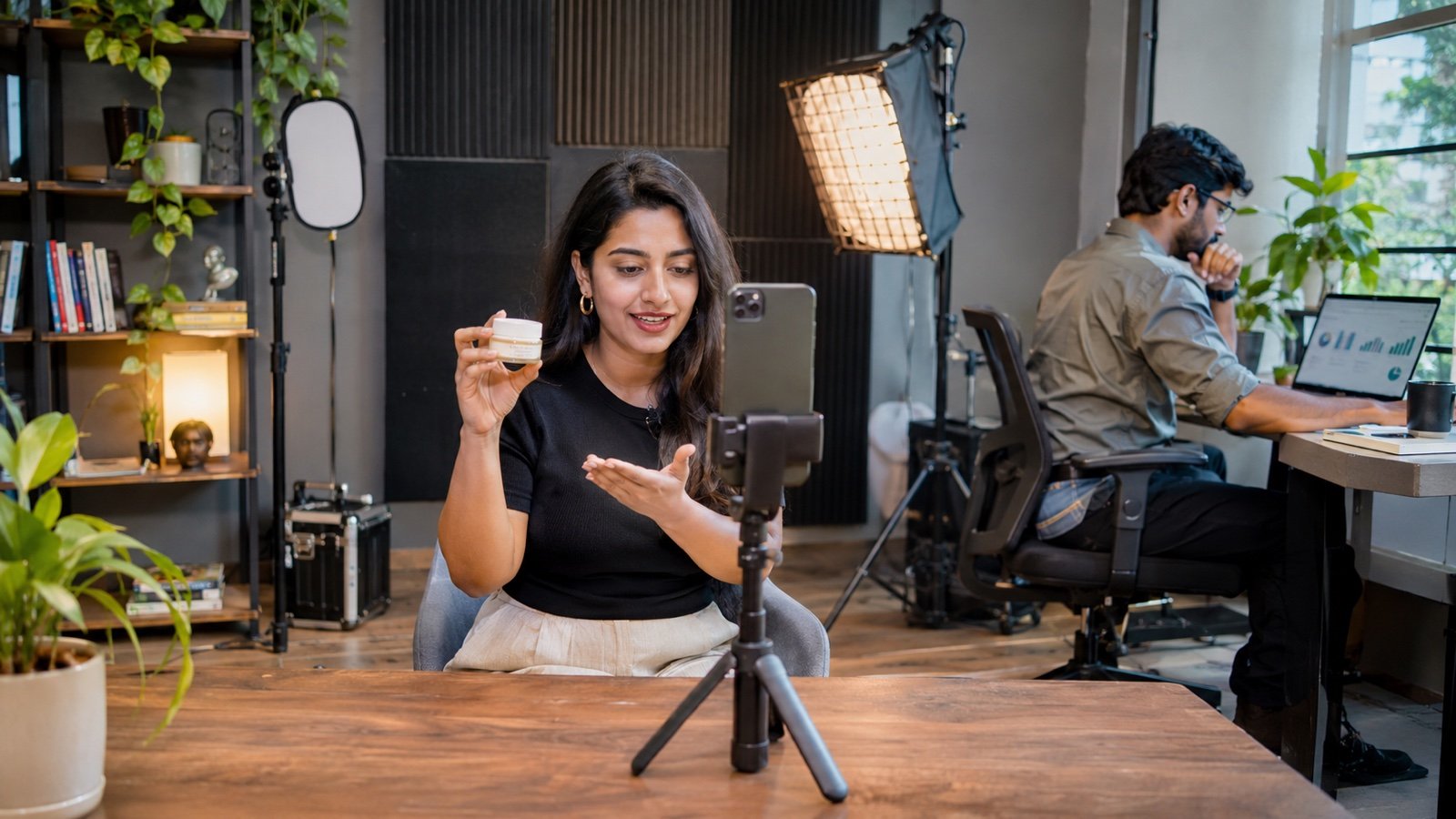
9. Structure a Search Ads pilot
Where available, create tightly related keyword groups around one service, product or visit intent. Add negative keywords, use multiple relevant creatives and send traffic to the closest useful destination. TikTok recommends adequate budget relative to bid, but the right amount depends on market economics. Start with a bounded test and optimise toward qualified actions, not inexpensive clicks.
- Use location and service combinations only where the branch can fulfil demand.
- Match the video promise to the landing-page headline and offer.
- Exclude queries that indicate jobs, free tutorials or irrelevant intent.
- Review search terms and comments for new customer questions.
10. Design offers that survive the front desk
Use a unique booking option, product bundle, event or code only when staff and inventory can honour it. State dates, locations, limits and conditions. Train the team before publishing and provide a fallback when stock sells out. A viral offer that produces arguments at the counter damages both the location and the franchise brand.
11. Measure store visits without false precision
Combine tagged links, booking source, call tracking where lawful, redemption codes, point-of-sale questions and location-level sales patterns. Ask a short “how did you hear about us?” question without forcing an answer. Because discovery can influence a later branded search or walk-in, report a contribution range and evidence quality instead of assigning every visit to the last click.
12. Build a franchise content operating system
Provide approved facts, visual templates, filming guidance, disclosure rules and escalation contacts while preserving local personality. Let franchisees show real staff, stock and community context, but require approval for regulated claims, price promises and national campaigns. Maintain a shared query library so one branch’s useful question can inspire the network.
13. Protect people, rights and reputation
Get permission before filming customers or identifiable staff, especially minors. Use licensed music and media, disclose paid relationships and avoid deceptive testimonials or edited results. Do not reveal private order data, medical details or internal screens. Create a process to remove content quickly when consent, accuracy or safety becomes uncertain.
14. Run a 21-day local discovery sprint
Days 1–4: map customer questions and local facts. Days 5–9: film five formats in the real location. Days 10–14: publish, reply and update the location path. Days 15–18: launch a small paid search pilot where eligible. Days 19–21: compare qualified actions, store feedback and sales, then choose which query clusters deserve a second cycle.
15. Scale evidence, not virality
Scale a format when it repeatedly attracts relevant searches and creates measurable business actions. Repair it when the video earns attention but customers remain confused about price, location or availability. Stop it when the operational burden, claim risk or audience mismatch outweighs the value. A durable search library is more valuable than one unexplained spike.
Key takeaways
Put the framework into action
- Build videos around real local questions and connect each one to accurate location information and one clear next action.
- Treat organic TikTok search, Search Ads Campaign and Automatic Search Placement as related but distinct discovery paths.
- Measure with multiple store-level signals and give franchise locations governance that protects claims without removing local authenticity.
Research sources
Sources & further reading
This article provides general business education, not legal, tax or financial advice. Adapt the framework to your market and consult qualified professionals where required.